
 By
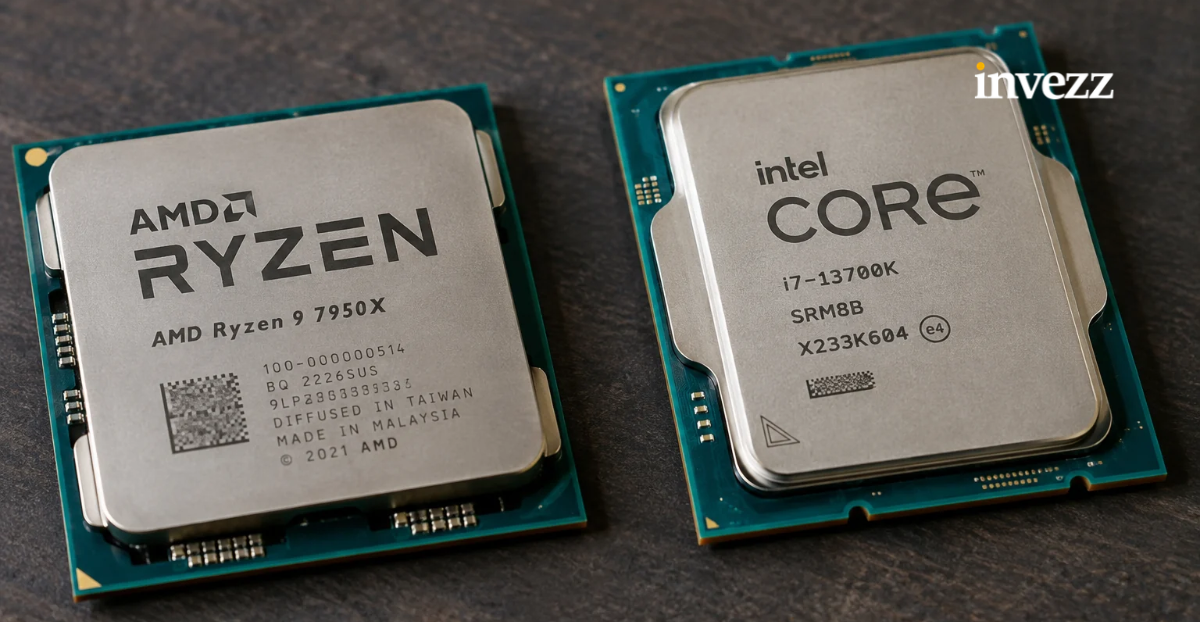
Semiconductor stocks, including Advanced Micro Devices (AMD) and Intel (INTC), tanked on Nov. 25, even after Dell Technologies (DELL) disclosed a record $132 billion backlog of AI orders.
Dell’s numbers showed that customers still want AI servers.
But the sell-off turned on a question its report could only partly answer: how quickly can customers get those servers up and running, and can they make enough money to keep buying more?
Both AMD and Intel stocks remain up meaningfully for the year though.
Why Dell’s backlog failed to calm semiconductor sell-off
A backlog is a pile of orders waiting to be filled.
DELL’s figure gives investors a sense of how much hardware customers have already ordered.
The company said it screens orders for factors including access to capital, land, and power.
Even with those checks, though, a delay in getting a data center connected to the grid can push back a server delivery.
The bigger question is what customers order after those servers arrive.
Building and running data centers costs money long before customers know how much revenue the equipment will generate.
If the returns come in slower than expected, buyers could space out their next round of purchases. That helps explain the sell-off in semiconductor stocks, including AMD and Intel today.
Why AMD stock is especially sensitive to delays
AMD now gets nearly two-thirds of its revenue from its data center business.
Sales there nearly doubled to $8.5 billion in its most recent quarter, helped by demand for its EPYC server processors and the launch of its MI450 AI chips.
AMD is also ramping up Helios – a system that bundles those chips into racks customers can install in data centers.
That gives AMD more to sell when a customer builds a new facility.
But what it also means is that a single project delay can push a sizable sale into a later quarter.
A customer could still choose Advanced Micro Devices over a rival and take delivery months later than expected.
For shareholders, the next evidence to watch is whether early Helios deployments arrive on schedule and lead to repeat orders.
Why Intel stock is slipping on Wednesday
Intel benefits from AI spending through products such as Xeon – the general-purpose processors that help run servers.
Its Data Center and AI division posted a 78% jump in revenue to $7.3 billion in the latest quarter.
That growth matters because sales in its client computing and physical AI division fell 5%, and Intel expects the PC slowdown to continue through at least the first half of 2027.
If data center customers stretch out their purchases, Intel would have to lean more heavily on a PC business already under pressure.
DELL’s backlog shows that buyers have placed plenty of AI server orders.
But how much of that spending flows to INTC – and when – depends on which processors customers buy and when they take delivery.
AI disclosure: AI tools assisted with research and drafting of this piece. An Invezz editor reviewed the facts, sources and wording before publication. Any opinions or analysis are Invezz’s, not those of an automated system.
The post AMD, Intel stocks sink despite $132B reassurance appeared first on Invezz