
 By
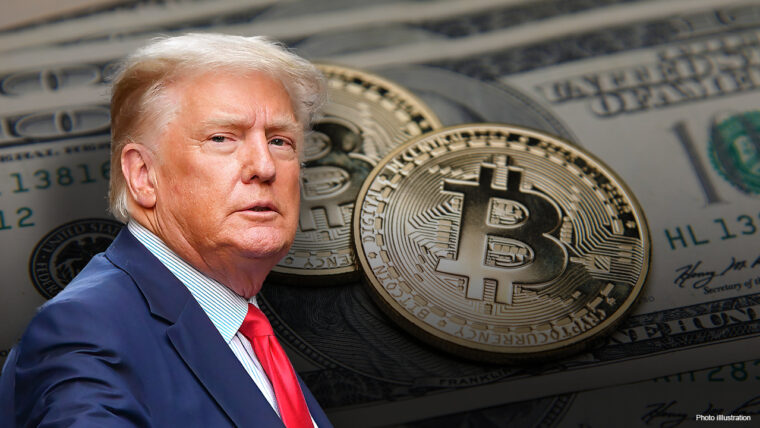
By President Donald Trump said the United States has discussed acquiring “sizable” amounts of Bitcoin and other cryptocurrencies, raising the prospect of direct government accumulation beyond the digital assets it already controls.
Trump made the comments during an August 19 White House event attended by cryptocurrency executives and senior financial regulators. Asked whether his administration was considering accumulating significant quantities of Bitcoin, Trump confirmed that discussions had taken place.
“Certainly it’s been talked about,” Trump said, adding that he would listen to recommendations for additional government accumulation. The remarks came as Trump renewed his push for the U.S. to remain the global leader in Bitcoin and digital assets.
No purchase size, timetable, funding mechanism or specific cryptocurrencies beyond Bitcoin were announced. The administration has also not issued an executive action authorizing an immediate open-market purchase.
The distinction matters because existing White House policy treats Bitcoin differently from other cryptocurrencies when it comes to acquiring additional assets.
Bitcoin Reserve Already Allows Budget-Neutral Purchases
Trump established the Strategic Bitcoin Reserve and separate U.S. Digital Asset Stockpile through an executive order signed March 6, 2025. The Bitcoin reserve was initially capitalized using BTC forfeited to the federal government through criminal or civil proceedings. Bitcoin transferred into the reserve is not to be sold and is instead maintained as a U.S. reserve asset.
Crucially, the order also authorized the Treasury and Commerce secretaries to develop strategies for acquiring additional Bitcoin, provided those purchases are budget-neutral and impose no incremental costs on American taxpayers.
That provision means the administration already has a policy framework for increasing federal Bitcoin holdings without relying exclusively on seizures. What remains unresolved is which budget-neutral mechanism could be used and whether the government will actually execute one at meaningful scale.
The rules for other cryptocurrencies are different. Trump’s March order established a separate Digital Asset Stockpile containing non-Bitcoin assets acquired through forfeiture, but explicitly said the government would not acquire additional assets for that stockpile beyond forfeiture proceedings.
Trump’s reference to potentially acquiring “other cryptocurrencies” therefore raises questions about whether the administration is considering a policy change, new legal authority or was speaking more broadly about federal digital-asset accumulation.
Remarks Add Momentum to Washington’s Crypto Shift
The comments came during a broader White House push to accelerate cryptocurrency legislation and regulation.
Trump urged Congress to pass the CLARITY Act, arguing that comprehensive market-structure legislation would help keep the United States ahead of China and support another wave of financial innovation.
The administration’s President’s Working Group on Digital Asset Markets has similarly recommended that the federal government operationalize Trump’s objective of making the U.S. the “crypto capital of the world.”
Bitcoin rallied above $68,000 during the August 19 session amid the broader shift in market sentiment, recording its largest percentage advance since March.
A direct federal purchase program would nevertheless represent a materially larger policy step. Until now, the Strategic Bitcoin Reserve has principally been structured around retaining government-owned Bitcoin rather than announcing conventional market purchases.
Trump’s latest comments suggest active accumulation remains under consideration, but they stop short of establishing a purchase commitment. The next critical development would be a Treasury or Commerce proposal detailing how a “sizable” acquisition could satisfy the executive order’s requirement that additional Bitcoin be obtained without imposing incremental costs on taxpayers.