
 By
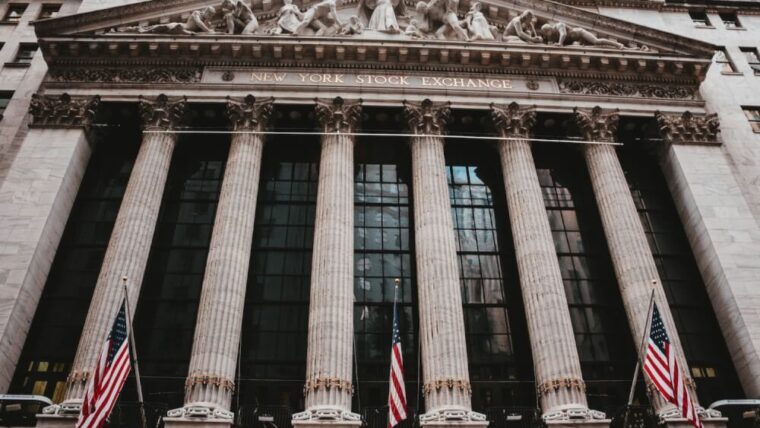
By The New York Stock Exchange is developing an onchain trading and settlement platform for tokenized securities, advancing one of Wall Street’s most significant efforts yet to move traditional stocks and exchange-traded funds onto blockchain infrastructure.
NYSE, owned by Intercontinental Exchange, said the planned Digital Trading Platform will combine its existing Pillar matching engine with blockchain-based post-trade infrastructure. Subject to regulatory approval, the system is designed to support 24-hour, seven-day trading, immediate settlement, fractional shares and stablecoin-based funding. It will also support multiple blockchains for settlement and custody rather than being tied to a single network.
The platform is intended to accommodate both tokenized versions of conventionally issued securities and securities issued natively onchain. Crucially, NYSE says tokenized shares would be fungible with their traditionally issued counterparts and retain equivalent shareholder rights, including dividends and governance participation.
That structure distinguishes the project from many existing tokenized-stock products, which provide economic exposure to equities through wrappers without necessarily giving investors direct ownership of the underlying security.
NYSE Targets 24/7 Trading and Instant Settlement
The settlement architecture could represent a substantial departure from the traditional US securities market.
Most American equities currently settle on a T+1 basis, meaning final settlement occurs one business day after a trade. NYSE’s proposed platform would instead use tokenized capital and blockchain-based infrastructure to enable immediate settlement, potentially reducing counterparty exposure and the amount of capital tied up while transactions await completion.
NYSE is also working with Securitize on the infrastructure needed to issue and administer blockchain-native securities. Under a memorandum of understanding announced in March, Securitize became the first digital transfer agent eligible to mint securities for corporate and ETF issuers participating in the forthcoming platform.
The collaboration is designed to connect transfer-agent functions directly with onchain settlement while retaining the regulatory controls associated with conventional securities markets.
Regulatory groundwork is already progressing. NYSE and affiliated exchanges have filed rule changes with the Securities and Exchange Commission allowing securities to trade in tokenized form. The SEC published NYSE’s relevant rule filing in April, while similar filings covering NYSE Arca and NYSE American followed.
Wall Street Tokenization Race Accelerates
NYSE’s initiative forms part of a much broader push to bring US capital markets onto distributed-ledger infrastructure. In July, NYSE joined nearly 40 major financial institutions and technology companies participating in a Depository Trust & Clearing Corporation tokenization trial. Participants included JPMorgan, Goldman Sachs, BlackRock and Vanguard, with assets including Microsoft shares, major ETFs and US Treasury securities represented digitally during the exercise. DTCC plans to formally launch its tokenization service in October.
The scale of the incumbent infrastructure makes the transition significant. DTCC safeguards more than $114 trillion in securities, while its subsidiaries processed approximately $4.7 quadrillion in securities transactions last year.
Tokenization advocates argue that blockchain settlement could enable securities and collateral to move continuously rather than being constrained by market hours, banking schedules and conventional settlement cycles. It could also make fractional ownership easier and allow cash represented by regulated stablecoins or tokenized deposits to settle simultaneously with securities.
Significant regulatory and technical questions remain, including custody standards, interoperability between blockchains and existing clearing systems, investor protection and the treatment of tokenized assets under established securities rules.
NYSE’s approach nevertheless signals that tokenized equities are moving beyond crypto-native experiments. Rather than creating synthetic representations of Wall Street assets outside the regulated market, the world’s largest stock-exchange group is working toward bringing blockchain settlement directly inside US securities infrastructure.
If regulators approve the platform, the result could be a market where a share retains the legal and economic characteristics of conventional stock while gaining the programmability, continuous trading and near-instant settlement associated with blockchain networks.