
 By
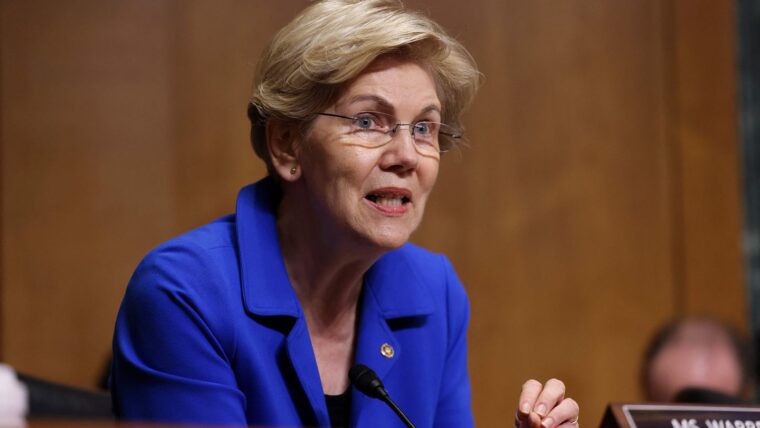
US Senator Elizabeth Warren is expected to become chair of the Senate Banking Committee in January 2027 following the Democratic Party’s victory in the November 3 midterm elections, potentially changing the direction of cryptocurrency regulation in Washington.
Warren, a Massachusetts Democrat and the committee’s current ranking member, is among the leading candidates to succeed Republican Chairman Tim Scott when the new Congress convenes on January 3. The anticipated leadership change follows Democrats securing control of both chambers of Congress, giving the party authority over committee agendas, hearings and legislative priorities.
However, Warren’s appointment has not been formally confirmed, and Senate Democrats must still determine their committee leadership arrangements. Warren has consistently advocated stronger oversight of cryptocurrency exchanges, stablecoin issuers and digital asset intermediaries, particularly concerning money laundering, consumer protection and financial stability.
Her potential elevation comes as Congress continues debating legislation establishing federal rules for digital asset markets.
Warren’s Expected Leadership Could Complicate Crypto Legislation
The Senate Banking Committee plays a central role in cryptocurrency policymaking because its jurisdiction includes securities regulation, banking supervision and significant aspects of digital asset legislation. As chair, Warren would gain greater influence over committee hearings, legislative negotiations and the scheduling of bills for consideration.
The proposed Digital Asset Market Clarity Act, commonly called the CLARITY Act, faces renewed uncertainty following the election. The legislation seeks to establish clearer jurisdictional boundaries between the Securities and Exchange Commission and Commodity Futures Trading Commission.
Industry supporters argue that consistent federal rules would reduce regulatory uncertainty and encourage financial innovation within the United States. Warren and other Democratic lawmakers have called for stronger safeguards addressing illicit finance, conflicts of interest and investor protection.
Those disagreements contributed to difficulties advancing comprehensive legislation during the outgoing Congress. Any unfinished legislation would generally need to be reintroduced when the new congressional session begins. A Warren-led committee could pursue different regulatory provisions or require additional negotiations before considering a revised bill.
However, the committee chair cannot independently enact legislation, and any proposal would still require sufficient congressional support and presidential approval.
Democratic Control Signals Broader Shift in Financial Oversight
Warren’s potential appointment forms part of a wider change in congressional financial oversight following the midterms. Reuters reported on November 5 that financial institutions are preparing for additional scrutiny of banking practices, consumer fees, lending standards and regulatory decisions.
Warren and Representative Maxine Waters are among the leading candidates to chair the Senate Banking and House Financial Services committees, respectively. The incoming leadership could also examine cryptocurrency-related financial crime, stablecoin oversight and the relationship between digital asset companies and traditional banks.
Warren has previously promoted legislation designed to strengthen anti-money-laundering obligations across parts of the cryptocurrency industry. Supporters of her approach argue that additional safeguards are necessary to address financial crime and protect consumers.
Critics within the cryptocurrency industry contend that overly restrictive requirements could discourage innovation or push activity toward offshore markets. The policy debate also extends beyond cryptocurrencies to Federal Reserve supervision, housing affordability and financial consumer protection.
The committee’s responsibilities include reviewing nominations for senior financial regulatory positions, providing another avenue for congressional oversight. Nevertheless, the incoming Democratic majority does not guarantee the passage of any particular regulatory proposal.
Legislative outcomes will depend on negotiations between congressional leaders, committee members and the White House. For cryptocurrency businesses, the immediate significance is a potential change in the lawmakers controlling the legislative process.
Warren’s expected appointment could bring greater attention to financial safeguards while complicating efforts to advance existing industry-backed market structure proposals.
Formal committee assignments and the new Congress’s legislative agenda will provide clearer indications of the regulatory direction in January.