Latest News

Coinbase CEO Says Bitcoin Has Bottomed Ahead of Next Halving

Why Does Armstrong Think Bitcoin Has Bottomed?

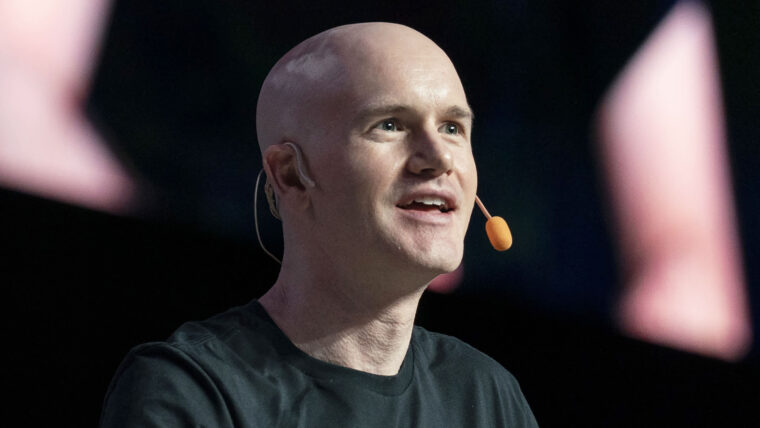
Coinbase CEO Brian Armstrong said he believes Bitcoin has already reached its low for the current market cycle and could trend higher over the next one to two years as the cryptocurrency approaches its next halving.

“I personally think we’ve seen the bottom of the bitcoin price in this cycle,” Armstrong said in a Bloomberg Television interview on Thursday. “It’s going to start to trend up over the coming year or two as we reach the next halving event.”

Bitcoin was trading near $78,000 on Thursday, down about 1.7% over 24 hours and roughly 38% below its record high of approximately $126,000.

Armstrong’s call follows a sharp recovery from Bitcoin’s summer lows. The cryptocurrency gained 23% over 21 trading sessions through Sept. 9, while the S&P 500 and Nasdaq 100 were broadly unchanged over the same period.

The rebound has improved the market’s short-term structure, but Bitcoin has yet to clear a major area of overhead resistance. That leaves Armstrong’s longer-term view dependent on whether buyers can absorb supply sitting above current prices.

Can Bitcoin Break Through $83,000-$86,000?

Onchain data identifies the $83,000 to $86,000 range as an important test for the recovery. The area combines several potential sources of selling pressure, including investor cost bases and market levels where holders may be more willing to exit positions after the recent rebound.

At the same time, selling activity has eased considerably compared with August. The seven-day Sell-Side Risk Ratio was running at about 7 basis points per day, less than half the 16 basis points recorded around the August peak.

Lower selling pressure suggests fewer holders are realizing profits or losses relative to the size of the market, which could make it easier for Bitcoin to challenge the resistance band if fresh demand continues.

The technical hurdle remains substantial. Bitcoin would need to gain roughly 6% from $78,000 merely to reach the bottom of the $83,000 resistance area and about 10% to test $86,000.

A sustained break above that range would strengthen the argument that the summer decline established a durable cycle floor. Failure to clear it could leave Bitcoin trading inside a wider range even if the summer low remains intact.

Investor Takeaway

Armstrong’s bottom call is a longer-term thesis rather than confirmation that Bitcoin has entered a new rally. The immediate test is whether declining sell-side pressure is enough to help BTC break through the $83,000-$86,000 resistance zone.

Why Is The Next Bitcoin Halving Part of the Bull Case?

Armstrong tied his outlook to Bitcoin’s next halving, an event that periodically cuts the reward received by miners and reduces the rate at which new Bitcoin enters circulation.

Previous halvings have become closely watched points in Bitcoin’s market cycle because they reduce new supply while leaving demand to determine how the market absorbs the remaining issuance.

The next halving is still well beyond the immediate trading horizon, making Armstrong’s one-to-two-year forecast considerably longer than the timeframe used by many short-term market participants.

His argument therefore rests on more than Bitcoin recovering from its recent decline. It assumes the market can rebuild demand into the next supply reduction while overcoming the substantial losses still separating BTC from its record high.

At around $78,000, Bitcoin would need to rise more than 60% to return to its approximately $126,000 peak. That gap shows how far the market remains from fully reversing the decline despite the strong rebound from its summer lows.

What Is Coinbase Betting on Beyond Bitcoin?

Armstrong also pointed to areas beyond Bitcoin that Coinbase sees as growth opportunities heading into 2027.

He said stablecoin payments on Base, the Ethereum layer-2 network incubated by Coinbase, have increased 700% year over year. He also cited projections that the stablecoin market could reach $3 trillion by 2030.

Coinbase is focusing on four areas in particular: payments, tokenization, prediction markets and agentic finance. Those businesses could expand the company’s exposure to crypto activity beyond transaction revenue tied directly to Bitcoin and other token prices.

Stablecoins are particularly relevant because their use in payments and settlement can generate blockchain activity without requiring users to take directional exposure to volatile crypto assets.

For investors, Armstrong’s comments therefore combine two separate assumptions about the next stage of the market. Bitcoin could benefit from another cycle tied partly to its programmed supply schedule, while Coinbase is betting that stablecoins and other blockchain-based financial products can grow independently of Bitcoin’s price.

The nearer-term market test remains simpler. Bitcoin has recovered strongly from its summer low, but a move through $83,000 to $86,000 would provide a stronger indication that buyers are ready to carry that recovery into a larger advance.
You may also like

Latest News

Coinbase CEO Says Bitcoin Has Bottomed Ahead of Next Halving

Why Does Armstrong Think Bitcoin Has Bottomed?

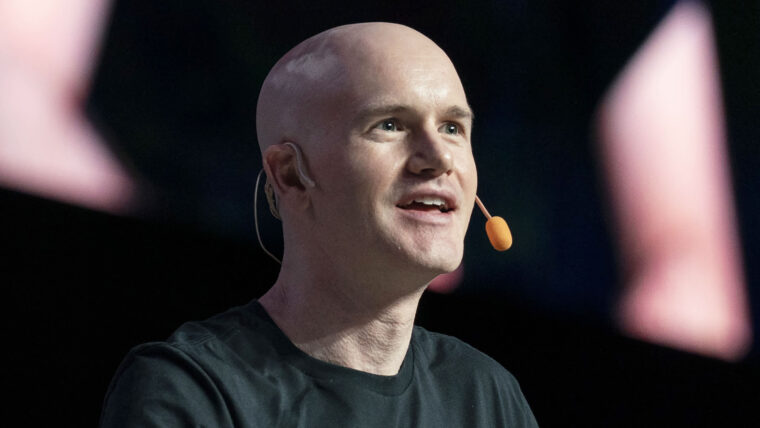
Coinbase CEO Brian Armstrong said he believes Bitcoin has already reached its low for the current market cycle and could trend higher over the next one to two years as the cryptocurrency approaches its next halving.

“I personally think we’ve seen the bottom of the bitcoin price in this cycle,” Armstrong said in a Bloomberg Television interview on Thursday. “It’s going to start to trend up over the coming year or two as we reach the next halving event.”

Bitcoin was trading near $78,000 on Thursday, down about 1.7% over 24 hours and roughly 38% below its record high of approximately $126,000.

Armstrong’s call follows a sharp recovery from Bitcoin’s summer lows. The cryptocurrency gained 23% over 21 trading sessions through Sept. 9, while the S&P 500 and Nasdaq 100 were broadly unchanged over the same period.

The rebound has improved the market’s short-term structure, but Bitcoin has yet to clear a major area of overhead resistance. That leaves Armstrong’s longer-term view dependent on whether buyers can absorb supply sitting above current prices.

Can Bitcoin Break Through $83,000-$86,000?

Onchain data identifies the $83,000 to $86,000 range as an important test for the recovery. The area combines several potential sources of selling pressure, including investor cost bases and market levels where holders may be more willing to exit positions after the recent rebound.

At the same time, selling activity has eased considerably compared with August. The seven-day Sell-Side Risk Ratio was running at about 7 basis points per day, less than half the 16 basis points recorded around the August peak.

Lower selling pressure suggests fewer holders are realizing profits or losses relative to the size of the market, which could make it easier for Bitcoin to challenge the resistance band if fresh demand continues.

The technical hurdle remains substantial. Bitcoin would need to gain roughly 6% from $78,000 merely to reach the bottom of the $83,000 resistance area and about 10% to test $86,000.

A sustained break above that range would strengthen the argument that the summer decline established a durable cycle floor. Failure to clear it could leave Bitcoin trading inside a wider range even if the summer low remains intact.

Investor Takeaway

Armstrong’s bottom call is a longer-term thesis rather than confirmation that Bitcoin has entered a new rally. The immediate test is whether declining sell-side pressure is enough to help BTC break through the $83,000-$86,000 resistance zone.

Why Is The Next Bitcoin Halving Part of the Bull Case?

Armstrong tied his outlook to Bitcoin’s next halving, an event that periodically cuts the reward received by miners and reduces the rate at which new Bitcoin enters circulation.

Previous halvings have become closely watched points in Bitcoin’s market cycle because they reduce new supply while leaving demand to determine how the market absorbs the remaining issuance.

The next halving is still well beyond the immediate trading horizon, making Armstrong’s one-to-two-year forecast considerably longer than the timeframe used by many short-term market participants.

His argument therefore rests on more than Bitcoin recovering from its recent decline. It assumes the market can rebuild demand into the next supply reduction while overcoming the substantial losses still separating BTC from its record high.

At around $78,000, Bitcoin would need to rise more than 60% to return to its approximately $126,000 peak. That gap shows how far the market remains from fully reversing the decline despite the strong rebound from its summer lows.

What Is Coinbase Betting on Beyond Bitcoin?

Armstrong also pointed to areas beyond Bitcoin that Coinbase sees as growth opportunities heading into 2027.

He said stablecoin payments on Base, the Ethereum layer-2 network incubated by Coinbase, have increased 700% year over year. He also cited projections that the stablecoin market could reach $3 trillion by 2030.

Coinbase is focusing on four areas in particular: payments, tokenization, prediction markets and agentic finance. Those businesses could expand the company’s exposure to crypto activity beyond transaction revenue tied directly to Bitcoin and other token prices.

Stablecoins are particularly relevant because their use in payments and settlement can generate blockchain activity without requiring users to take directional exposure to volatile crypto assets.

For investors, Armstrong’s comments therefore combine two separate assumptions about the next stage of the market. Bitcoin could benefit from another cycle tied partly to its programmed supply schedule, while Coinbase is betting that stablecoins and other blockchain-based financial products can grow independently of Bitcoin’s price.

The nearer-term market test remains simpler. Bitcoin has recovered strongly from its summer low, but a move through $83,000 to $86,000 would provide a stronger indication that buyers are ready to carry that recovery into a larger advance.

You may also like