
 By
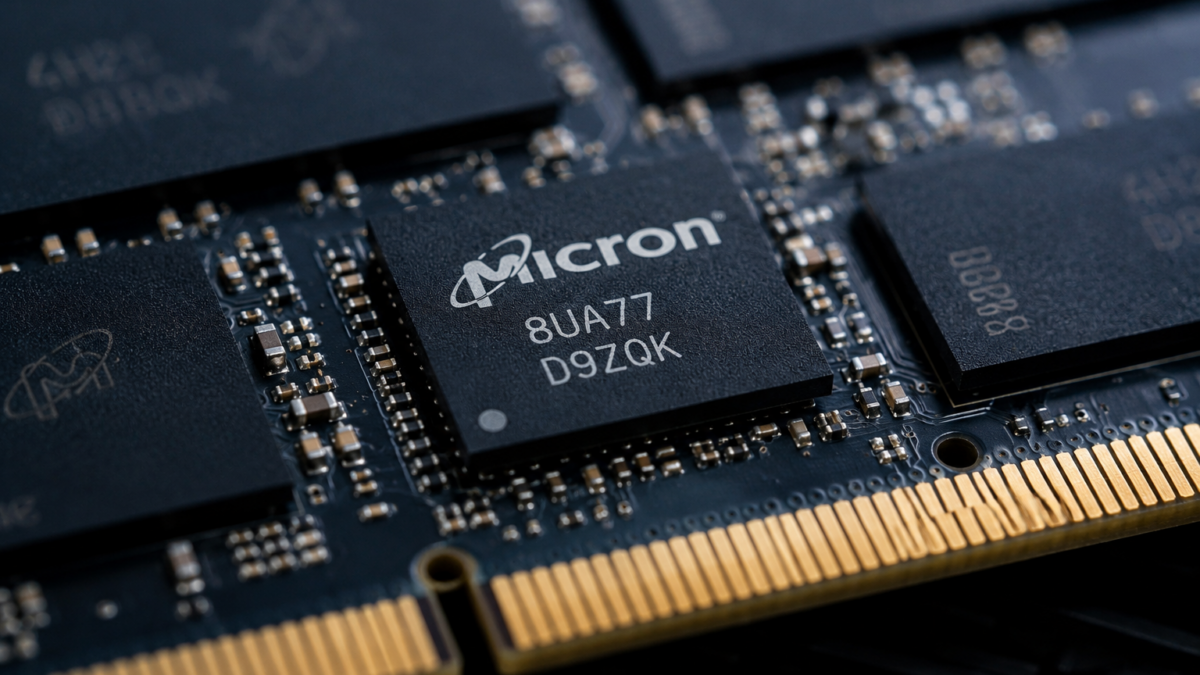
By Micron Technology (NASDAQ: MU) has been one of the biggest winners from the AI memory boom, with its shares up more than 200% this year as shortages push DRAM and HBM prices higher.
Nvidia’s latest filing helps explain why. The chipmaker disclosed $279 billion of supply and capacity commitments as of July 26, up from $119 billion a quarter earlier, primarily for memory and manufacturing capacity.
The schedule also offers a useful horizon. Nvidia has $267 billion committed through fiscal 2029, before currently disclosed commitments drop to $6 billion in fiscal 2030.
Nvidia’s commitments show how good Micron has it
Nvidia said it has secured supply and critical components needed for “the next several years,” underscoring how aggressively AI companies are locking in scarce capacity.
Its commitments include $92 billion for the remainder of fiscal 2027, $87 billion in fiscal 2028 and $88 billion in fiscal 2029.
They are not Micron purchase orders, as Nvidia also buys memory from SK Hynix and Samsung, and the figure includes manufacturing capacity.
D.A. Davidson analyst Gil Luria told MarketWatch that Nvidia is “absorbing part of the increase” in memory costs because passing the full increase to customers would make pricing too high.
That is a striking measure of supplier leverage. Even Nvidia is accepting some margin pressure because memory has become expensive and difficult to secure.
For Micron, that scarcity has translated into rising prices, exceptional margins and longer-term customer commitments.
The first cracks could appear before 2029
The filing does not mean Nvidia stops buying memory after fiscal 2029. Commitments can be extended or adjusted, and the schedule reflects contracts currently in place rather than a forecast of future HBM demand.
The more immediate question is whether today’s rate of memory-price inflation can last.
UBS analyst Timothy Arcuri wrote after Nvidia’s results that “at some point it should get relief on memory prices,” according to MarketWatch. For suppliers, it would imply some easing of today’s pricing environment.
Citi analyst Atif Malik is already modelling that shift. TipRanks reported that he expects “both DRAM and NAND prices decelerating Q/Q in the next four quarters,” with prices potentially peaking in the second quarter of 2027.
The bank cut its Micron target to $1,150 from $1,400 but retained a Buy rating. Malik expects Micron’s gross margin to retreat from the mid-80% range towards the mid-70% range as pricing normalises.
Also read- Michael Burry’s latest bet puts Nvidia stock and Micron’s AI boom on trial
AI could stretch the cycle, but customers will adapt
There is a strong argument that this memory cycle will last longer than previous booms.
New Street Research upgraded Micron to Buy with a $1,250 target in August, arguing that what is happening “breaks from the industry cycles we have witnessed in recent decades.”
The firm expects AI eventually to represent roughly two-thirds of memory demand and views HBM as structurally less cyclical than commodity DRAM.
Micron has said supply should improve gradually in 2028, but it lacks visibility on when industry supply can fully catch up with demand.
Customers are also adapting. Mizuho analyst Vijay Rakesh cited concerns about “de-specing on future GPU/ASICs” while keeping an Outperform rating on Micron.
The post Micron stock is booming, but Nvidia may have just put a date on the easy money appeared first on Invezz