
 By
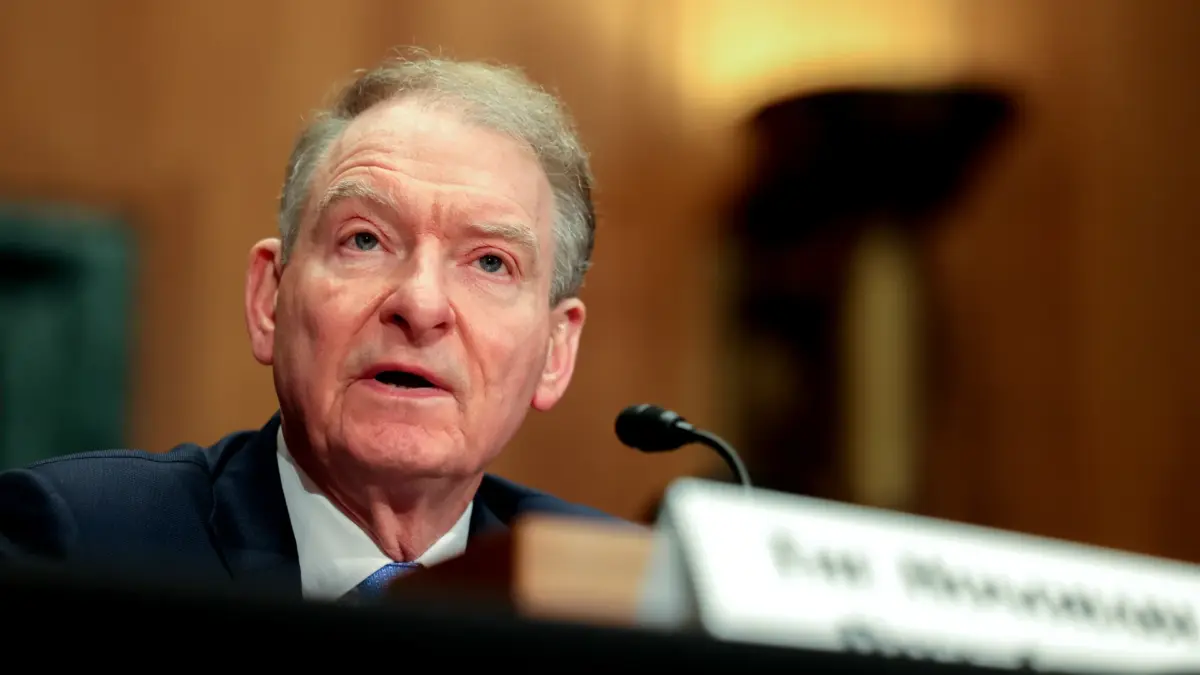
By US Securities and Exchange Commission Chairman Paul Atkins has said the agency is prepared to issue cryptocurrency regulations even if Congress fails to pass the CLARITY Act, underscoring the SEC’s intention to use its existing statutory authority to provide greater certainty for the digital asset industry.
Speaking about the agency’s regulatory agenda, Atkins said the SEC does not need to wait for new legislation before developing rules governing areas already within its jurisdiction. While he reiterated that comprehensive legislation from Congress would provide the strongest legal foundation for long-term market structure, he emphasized that the Commission is prepared to move forward independently where existing securities laws permit. The remarks come as the Senate continues negotiating the CLARITY Act, the most significant federal crypto market structure bill under consideration. The legislation would establish statutory definitions for digital commodities, divide oversight between the SEC and Commodity Futures Trading Commission (CFTC), and create new registration frameworks for crypto exchanges, brokers and other market participants.
Although the bill remains under active negotiation, Atkins indicated that regulatory progress should not be delayed while lawmakers continue debating its final provisions.
SEC Plans to Expand Guidance and Rulemaking
Since becoming chairman, Atkins has shifted the SEC away from the enforcement-led approach that characterized previous years, placing greater emphasis on formal rulemaking, interpretive guidance and public consultation.
The Commission has already launched several crypto-related initiatives, including Project Crypto, a joint effort with the CFTC to improve coordination between the two agencies. Earlier this year, the regulators also issued a joint interpretation clarifying how existing federal securities laws apply to various categories of digital assets, including staking, wrapped tokens and investment contracts.
Atkins suggested the Commission will continue developing additional rules covering areas such as token issuance, broker-dealer custody, crypto trading venues and other regulated market activities where the SEC believes it already possesses clear statutory authority.
Any new regulations would still follow the federal rulemaking process, including publication, public comment and potential revisions before becoming final.
Congress Still Controls the Broader Market Structure
Despite the SEC’s willingness to act independently, Atkins acknowledged that administrative rulemaking cannot replace legislation enacted by Congress. The CLARITY Act would accomplish changes beyond the Commission’s authority, including permanently defining the boundary between securities and digital commodities, establishing statutory registration regimes and reallocating regulatory responsibilities between the SEC and CFTC.
Without congressional action, many jurisdictional questions would continue to depend on existing securities laws and future judicial interpretation. For crypto companies, Atkins’ comments nevertheless represent an important signal that regulatory clarity may continue improving even if political negotiations delay passage of the CLARITY Act. Rather than waiting indefinitely for Congress, the SEC appears prepared to use the legal authority it already possesses to modernize oversight of digital asset markets.
The approach could provide businesses with greater operational certainty in the near term while preserving flexibility for Congress to enact broader reforms later. Whether lawmakers ultimately approve the CLARITY Act or not, Atkins’ message suggests the SEC intends to remain an active participant in shaping the future of US cryptocurrency regulation rather than standing on the sidelines awaiting legislative action.